





How Long Can Space Heaters Stay On?
Wondering how long your space heater can safely stay on? Discover the key factors to balance warmth, safety, and energy efficiency for ultimate comfort!


Your space heater is working its magic, filling your room with warmth as the cold outside pushes against your windows. But as the hours tick by, you might start to wonder: how long is it safe to leave this thing on? You're not alone in this concern - we've all been there, weighing the need for comfort against the need for safety and energy efficiency.
It's true that there's no one-size-fits-all answer, but once you understand the key factors, you can make an informed decision about how long to keep your space heater running. Let's dive into how to balance warmth, safety, and energy use to create the best experience.
Space Heater Safety 101
1. Why Safety is Key
Space heaters are a winter essential, but their warmth comes with the need for mindful use.
The biggest concern is fire hazards. Space heaters should always be placed at least 3 feet away from any furniture, curtains, or blankets. Overlooking this can be risky, as heat can cause these materials to ignite.
Another concern is overheating. While extra warmth feels great, too much heat can make your space uncomfortable, or worse, cause the heater to malfunction.

2. Essential Space Heater Safety Features
Before you leave your space heater on for long stretches, make sure it has these important safety features:
- Tip-over Protection: This feature automatically shuts the heater off if it gets knocked over, which is especially important in busy spaces where the heater might get bumped.
- Overheat Shut-off: If your heater reaches an unsafe temperature, this safety function kicks in, shutting it down to prevent fires.
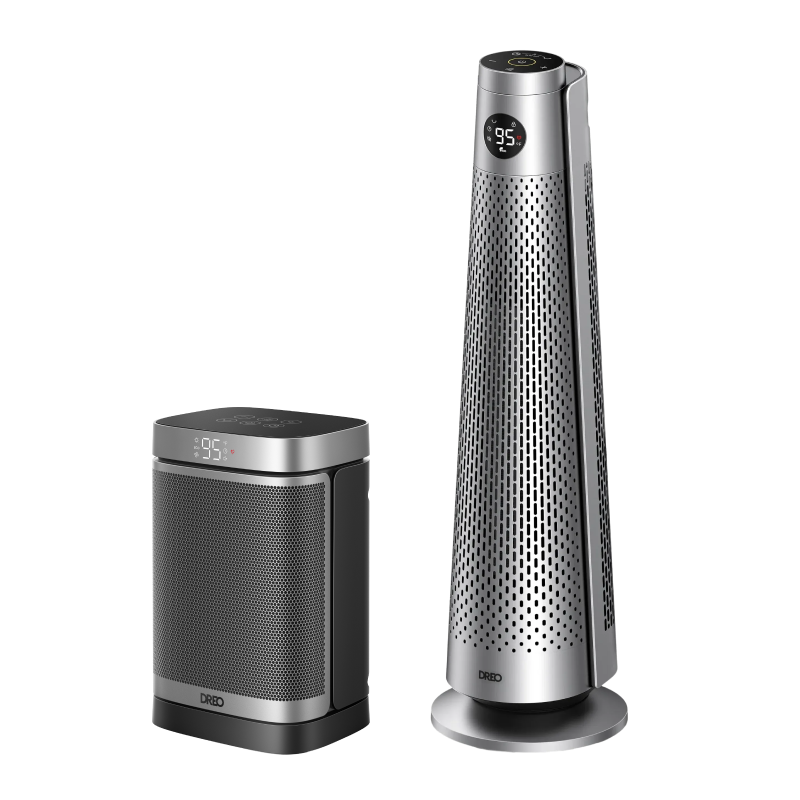
- ECO Mode: This energy-saving mode, like the one equipped in the DREO Solaris Slim H2, adjusts the heater's power based on the room temperature with its precise thermostat (41°F to 95°F in 1°F increments), preventing overheating and helping reduce your energy bills.
- Certified Safety: Check if your heater has ETL or UL certifications, which ensure that the heater meets rigorous safety standards.
- Programmable Timers: Set your heater to turn off automatically at a specific time, so you don't have to worry about manually shutting it off.
- Safety Plug: A reliable, grounded plug, like the DREO Patented FortPlug™ in the DREO Solaris 718, ensures a secure connection to prevent overheating.
If you're considering a space heater for areas with high humidity, such as bathrooms, look for models like the DREO Smart Wall-mounted Heater WH517S, which comes with ALCI safety plugs and an IP24 rating to guard against splashes.
What Affects How Long You Can Leave Your Heater On?
There are a few factors that can influence how long your space heater can run efficiently. Let's break it down:
- Room Size: The larger the space, the longer the heater will need to run to warm it up. Check your heater's recommended coverage area (usually listed in square feet) to make sure it's the right fit for your room. For smaller spaces, portable heaters like the DREO Atom 316 are ideal. They're lightweight and easy to move around, so you can keep warm without the hassle of larger equipment.
- Insulation: Homes with good insulation trap heat better, meaning your heater won't need to run for as long. If you're in a drafty space, consider sealing up windows and doors, or adding rugs and thick curtains to keep warmth inside.
- Wattage: The wattage of your heater determines how quickly it can heat up your space. A 1500-watt heater is powerful and heats faster, while a 750-watt heater may take longer to get the room warm enough, requiring you to leave it on for several hours.
Recommended Usage Time
The duration for which you can leave a space heater running depends on the time of day and your specific needs.

- During the Day: It's safe to leave your heater on for 6-8 hours if you're in the room. If you're busy or moving between rooms, consider using a timer to automatically shut it off after a few hours.
- At Night: For overnight use, limit your heater's run time to 4-6 hours on a lower setting. Many modern heaters, like the DREO Solaris Slim H2, ensure precise comfort with its NTC sensor maintaining temperatures within ±1.5˚F. Customizable from 41–95˚F in 1˚F increments under Eco Mode, it optimizes heat output, saving up to 40% on energy for worry-free, cozy nights.
- When You're Home: If you're around, your heater can stay on for as long as you need it, as long as you monitor it for safety.
- When You're Away: If you plan to be gone for more than 30 minutes to an hour, it's best to turn the heater off. For a pre-warmed home, consider a smart heater with scheduling functions to turn it on before you arrive.
Tips for Maximizing Heater Efficiency
If you want to save energy while staying warm, try these tips:

- Use Timers: Set your heater to turn on right before you arrive home or go to bed so you don't waste energy keeping it on unnecessarily.
- Smart Settings: Take advantage of smart controls if your heater has them. For instance, the DREO WH517S wall-mounted heater lets you control it remotely from your phone, so you can ensure your space is warm and inviting when you need it, without having to leave the heater running constantly.
- Good Airflow: Make sure your heater is placed in an open area without obstructions. A well-positioned fan-forced heater, like the DREO Solaris 718, helps warm up your space evenly, keeping temperatures consistent throughout the room.
- Insulation Enhancements: Add extra insulation to your home or use draft stoppers. This will reduce the need for prolonged heater use by retaining more heat in your space.
When to Turn Off Your Heater
Even the best space heaters need a break sometimes. Here's when you should turn yours off:
- Overheating: If the heater is too hot to touch or gives off an unusual smell, turn it off immediately.
- Strange Noise: Buzzing or rattling noises could signal a problem with the heater, so it's best to turn it off and inspect.
- Temperature Fluctuations: If your heater is running on and off constantly, it may have a thermostat issue. This is a sign to give it a rest.
- Burning Smells: A burning smell can be a sign of dust buildup or an electrical problem. Turn the heater off and let it cool down before troubleshooting.
- Electrical Problems: If your heater is tripping the circuit breaker, there’s an underlying issue. It’s safest to stop using it until the problem is addressed.
Final Takeaway
The right space heater, used properly, can keep you warm without worries. By following safety precautions and optimizing your heater's use, you'll enjoy cozy comfort without unnecessary concerns.
So, as the temperatures drop lower, don't hesitate to use your heater! If you're ready to enjoy better warmth, explore the DREO space heater lineup and find the perfect model for your home today.
Recommended Articles

Space Heater
Meet the DREO Convection Heater 711: The Cozy Upgrade Your Winter Routine Has Been Missing

Space Heater
Beyond the Warm Spot: How DREO's New Heaters Improve Whole-Room Comfort

Space Heater
Can I Leave a Space Heater On All Night?

Gift Guide
DREO Black Friday Gift Guide: Thoughtful Upgrades for Everyday Comfort